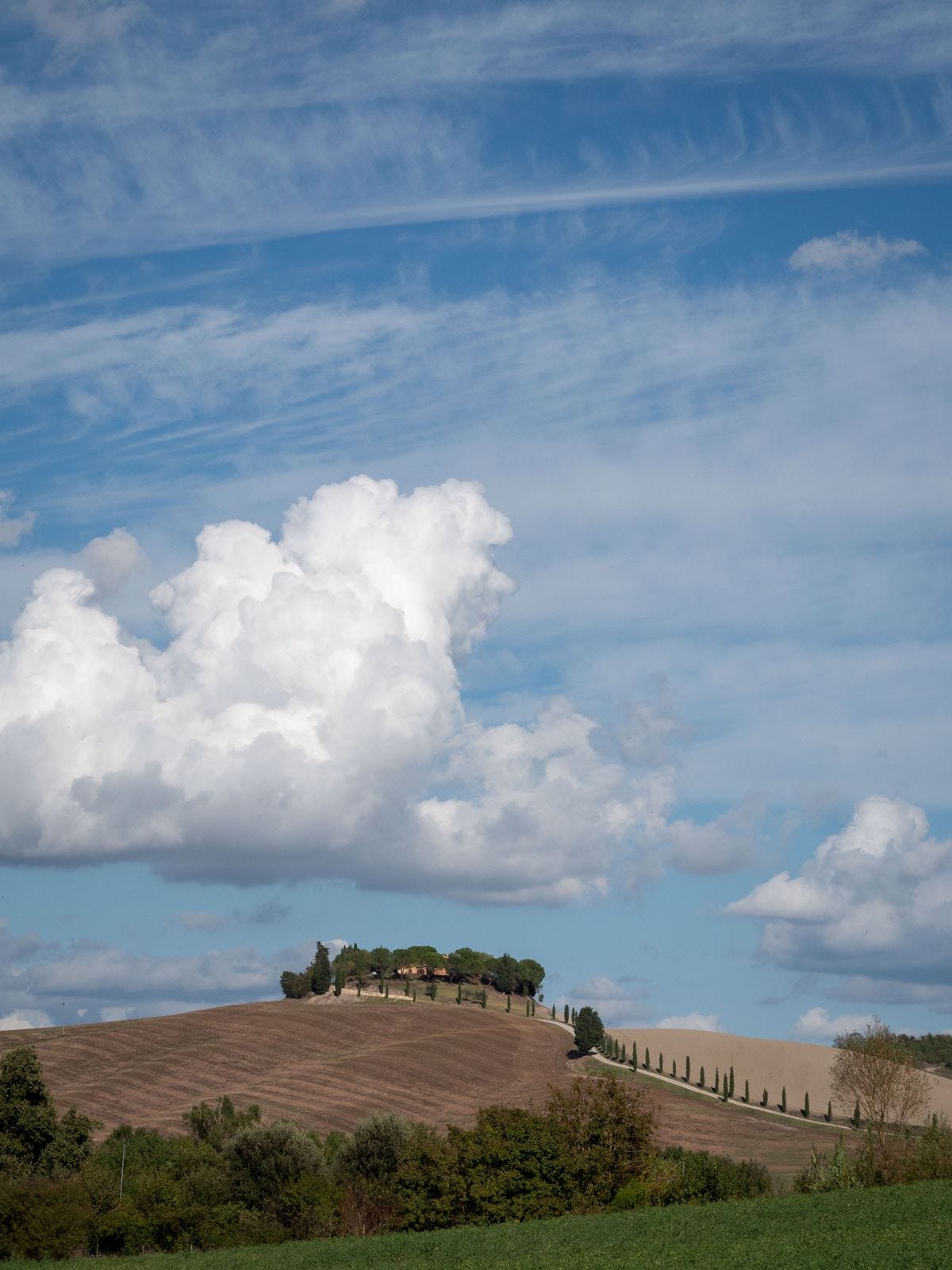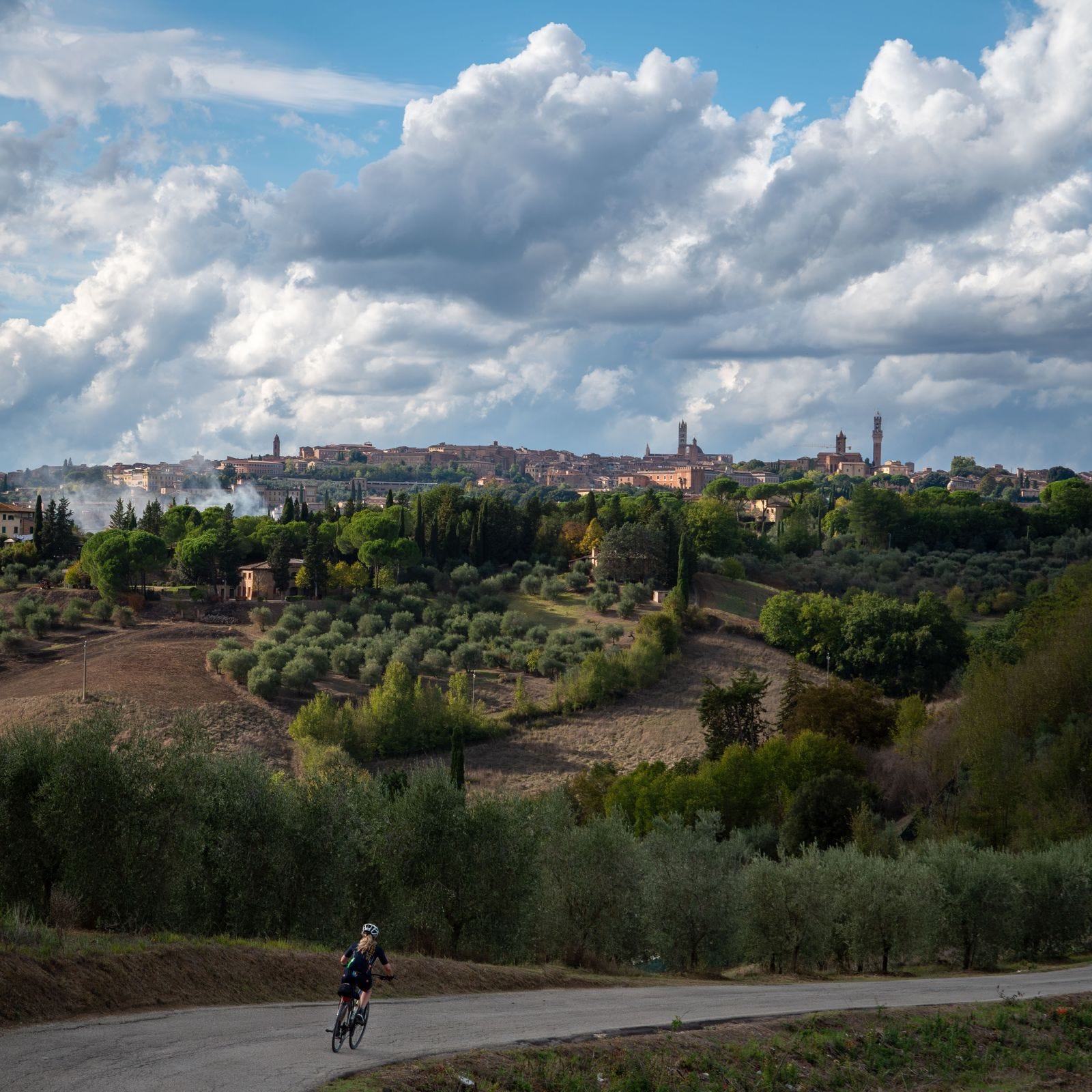
I wrote last week that I was moonlighting as a support driver for a cycle tour across Tuscany. The trip ended with a couple of rest days at the seaside in Monterosso al Mare, in neighbouring Liguria. That was my favourite bit – marred only by being hit in the eye by a falling olive as I sat on the roof terrace of our small hotel. The hard, black fruit regularly plopped onto the table and into our drinks from the heavy trees above.
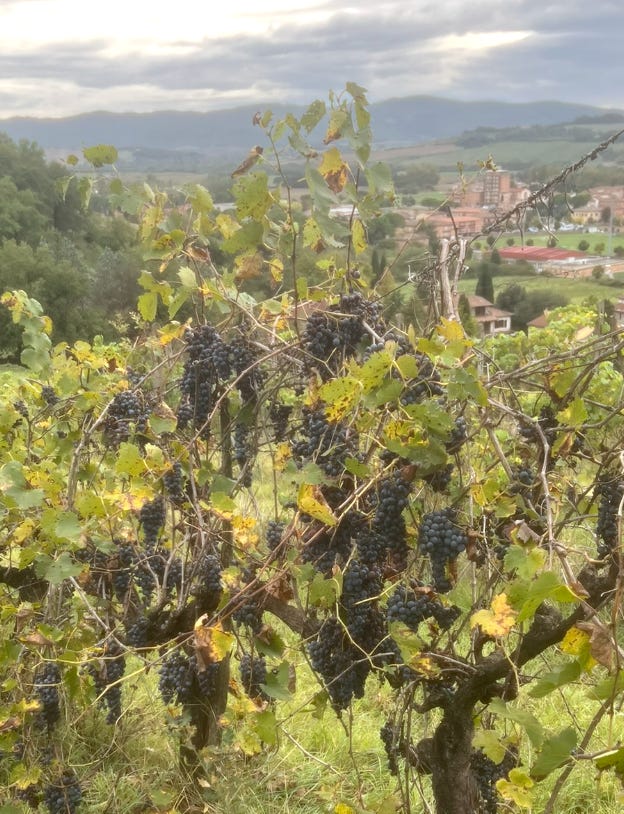
Northern Italy in autumn is incredibly rich in produce. One night, as I walked though the medieval town, my eye was caught by something that I first took to be a mouse but then realised was a lemon rolling down the street, after falling from a tree further up the hill. And on a walk, my afternoon snack was handfuls of dark-purple grapes gathered from the groaning vines in the field that ran along by the footpath.
The wine, the olive oil, the lemons will be valued across Europe this winter – though the rising price of diesel means agricultural workers and hauliers are threatening to down tools if they cannot make a profit. The price of diesel is a headache for us all. It is not by magic that these things arrive in our shops.
Last week too, tough negotiations were going on at a meeting of the European Council in Brussels about the next seven-year Common Agricultural Policy cycle, due to start in 2028. According to regional daily La Nazione, the Italian premier Giorgia Meloni combined the skill of a boxer with the wiles of a street fighter as she endeavoured to play off one faction against another. The northern ‘frugal’ countries want cuts in the agricultural spend, which is the biggest part of the EU budget. Southern Europe doesn’t want cuts, as they have a lot of small farmers who depend on subsidy.
When the UK was in the EU, the CAP came in for a lot of criticism. The UK was a net contributor – it put more in the pot than its farmers got back in subsidy. But the upside was that it was part of an EU-wide food system which has made nutritious food accessible and affordable. This is the basis for many of the gains in health and life expectancy we have seen. The Mediterranean diet became accessible to most of us. When I moved to the US and saw what the food shop looks like without a system like that, I was shocked. A single tomato would cost a couple of dollars – twice the price of a burger in a fast food joint.
The CAP means, in a nutshell, that the price that you pay at the till is not what it cost to produce the food in your basket. Much of that is footed by the taxpayers of the member nations.
The CAP is not free from controversy – attempts to add more green strings have been met with protest. Essentially, though, it is there to put money in farmers’ pockets with the minimum of bureaucracy, so they can buy what they need to keep going year after year in the face of the unpredictability of nature, the good years and bad years, too much rain or not enough, high or low yields and prices – an unpredictability that is growing with climate change.
The agricultural subsidy plan came out of a Europe that knew widespread food shortages in the aftermath of the Second World War. Even Italy was on the brink of famine in 1946 when supply chains broke down – they might have a lot of lemons but they don’t grow much of the wheat they need for their beloved pasta. The Americans came to the rescue when the Marshall plan sent huge shipments of US grain on low cost credit to Italian harbours.
In the 50s and 60s, the countries formerly at war built the European Community which became the EU. By the time the UK joined in the 1970s, England didn’t have a lot of small farmers left and the CAP was criticised for putting too much money in the pockets of large-scale, often aristocratic farmers who were already rich. There were problems with oversupply of commodities produced for the EUs price guarantees in the 80s. Why should English taxpayers support French peasants to create butter mountains and wine lakes? (Later reforms got rid of this issue) There was also a big free-market lobby in the UK who argued that subsidised food was simply far too cheap. Let the market sort it out.
It is popularly believed that a lot of UK farmers supported Brexit. They surely hoped that the UK gov would continue to spend the same amount on farming subsidy but transfer it into domestic agriculture. It doesn’t seem to be doing that. But even if it did, a much larger proportion would be swallowed by the triffid-like bureaucracy, which is the only part of the UK agricultural sector that is flourishing because of Brexit.
Since leaving the EU, DEFRA has created a three-ring circus’ worth of hoops to jump through. This will require an army of civil servants to check if the farmers have jumped through the hoops with the right shoes on and in the proper order. Farmers are already having to hire their own bureaucrats to help them with the new compliance burden.
Losing the UK as a contributor has no doubt weakened CAP. But the dog’s breakfast that Defra has replaced it with is also hurting UK farming. Added to the new hurdles to trading with the EU; and the dodgy trade deals that the UK has signed, it is part of the pressures driving the closure of agricultural businesses – a record more than 6,000 closed last year. The National Farmers Union is going mental about this but nobody is paying much attention.
The situation in Scotland is a bit different. With more small farmers on marginal land, Scotland received one pound in five of the UK’s farm subsidies under CAP. Even then, the amount of support small Scottish farmers got was low by European standards.
The Scottish government controls agricultural policy but not the funding. The UK government promised to preserve Scotland’s farming subsidy post-Brexit. It did that – sort of – by ring-fencing roughly the amount Scotland got from CAP in 2020 – but on a cash basis. Due to inflation, the value of Scotland’s farm subsidy has already been slashed in real terms by about 20%. That real-terms slashing is going to continue.
That is a shame. With investment, Scotland could produce a lot more food than it does – countries with harsher winters and less good land like Finland do better. And in these uncertain times – the price of diesel etc – more resilience in the food supply could be useful.
People sometimes ask why an independent Scotland would leave one union – the UK – and join another – the EU. As an EU member, it would have a seat at the decision-making table. It would also be part of a union that takes food security and affordability seriously.