So Finland has done it again. It topped the international happiness rankings for the ninth year in a row. I spent a few days there earlier this month, and visited it again in spirit when I went to see Lesley Riddoch’s new film Finland: The happiest country that almost didn’t exist at Edinburgh’s Cameo at the weekend. The message of the film is basically: “Here is a country with a population about the size of Scotland which runs its own affairs and seems to be making a pretty good job of it. ”
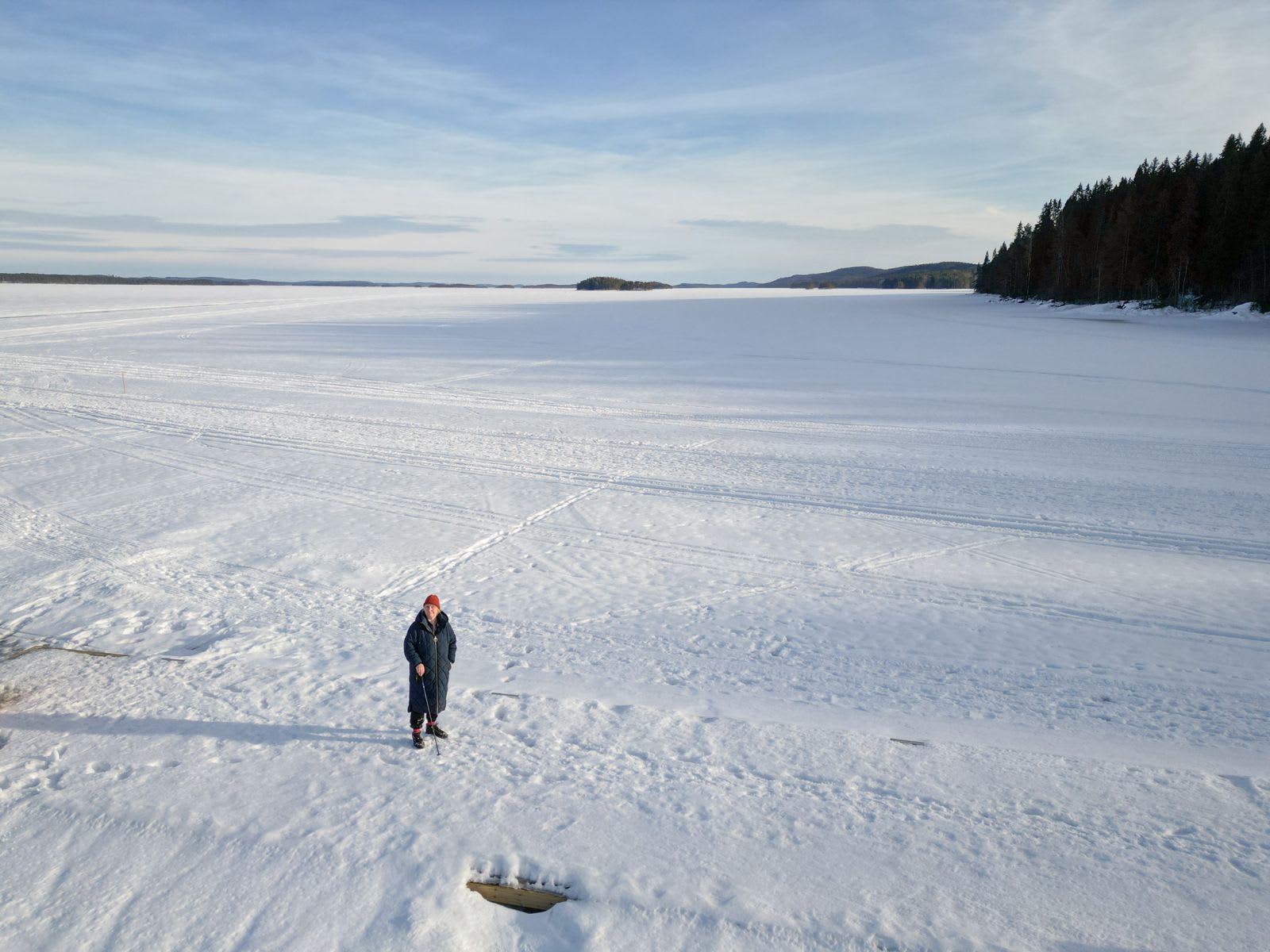
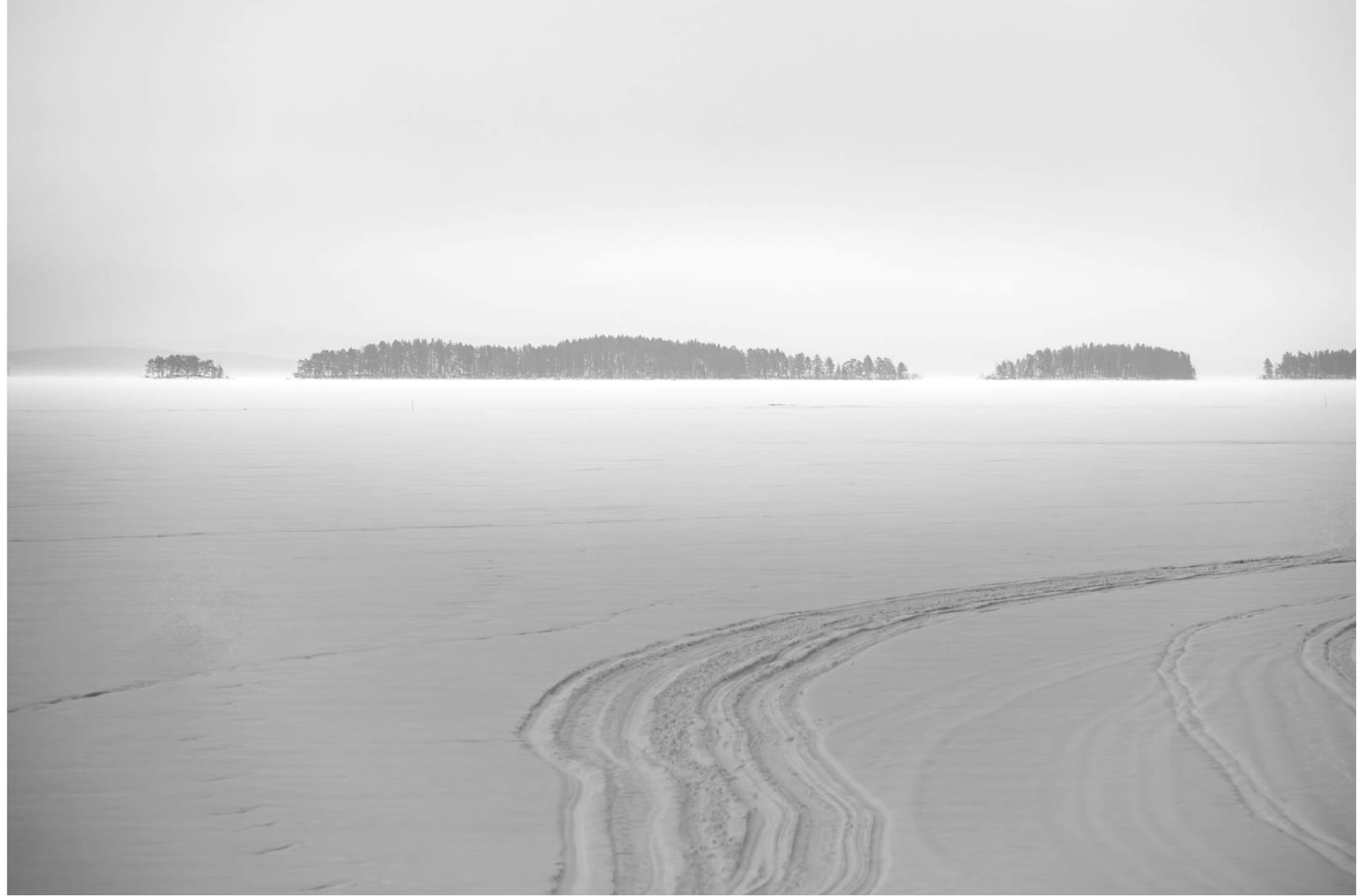
We had a lovely trip to Finland – the first time I have been there. Early March seems to be a good time to go. Apart from some misty mornings, the weather was an invigorating, dry cold, with blue skies and strong sunshine. We stayed with family friends in the town of Joensuu, four hours north of Helsinki by train. On a side trip to the mountain of Koli in Karelia, we drove over the longest frozen lake road in Europe. (Our half-Finnish friends grew up in the East End of London which explains the West Ham dice).
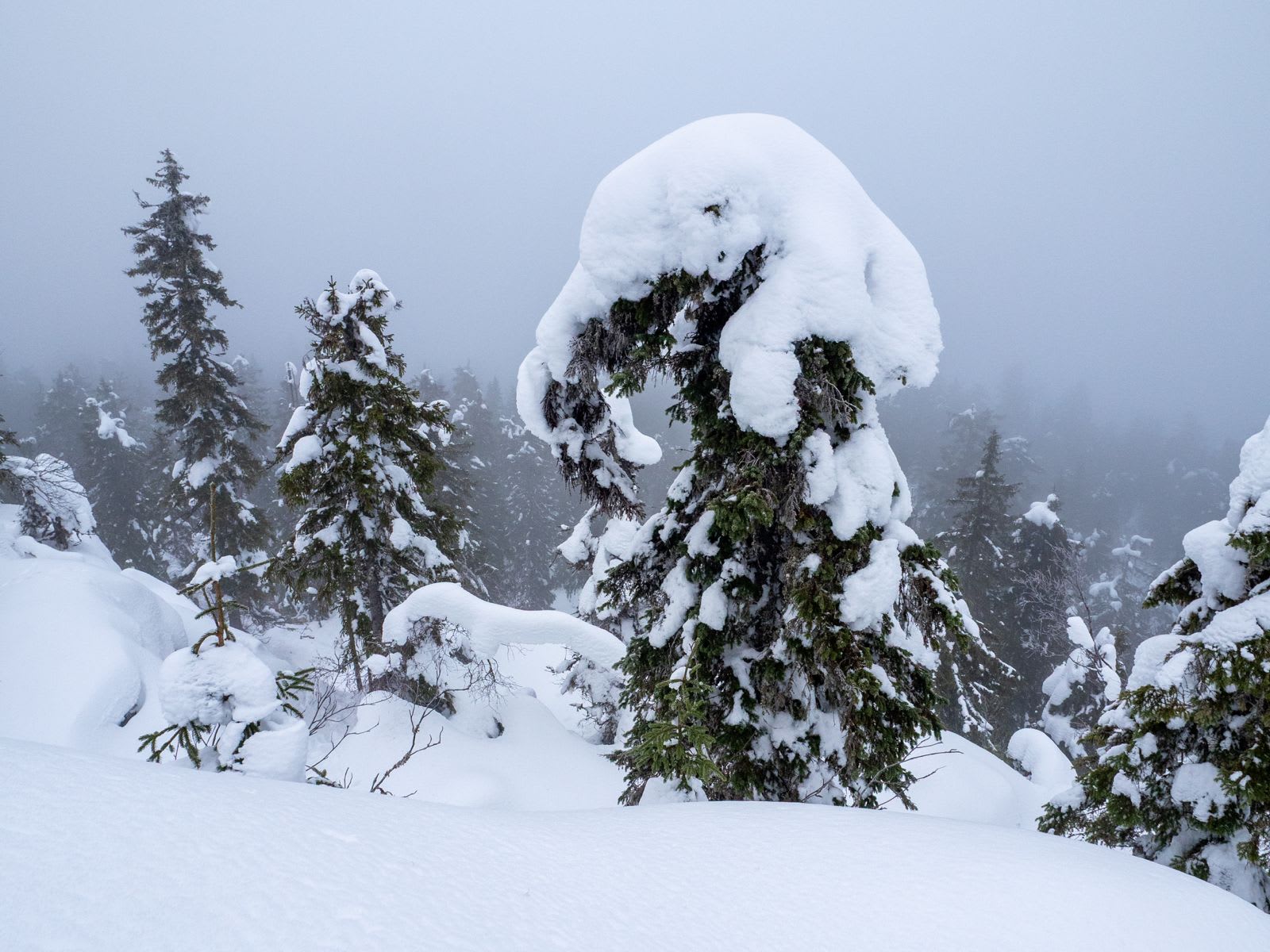
At Koli, we stayed in the ‘Sokos Break Hotel’ – an ironic name for a ski hotel – set among picturesque snow-laden trees, with a view of the frozen landscape below. We didn’t break anything except the seal on a bottle of wine, to accompany the delicious reindeer steak they served in the restaurant.
While the others were cross-country skiing on the lake, I took a walk in the woods. The area was once avoided by locals due to the reported presence of trolls, hobgoblins and other scary beings. I saw no sign of anyone, supernatural or otherwise, but the flump of snow falling from a tree made me jump – it was so loud in the deep silence.
On they drive back to Joensuu, we listened to Karelian folk band Burlakat, who sing in the Karelian language. About 400,000 people fled eastern Karelia when Russia took a bite out of it during World War II. This prompted the Finnish government to embark on the second of two big waves of land redistribution, giving the displaced people new plots of land.
Finland has one of the most equal land ownership structures in the world. About 800,000 families own a summer cabin, or what Scots might call a but and ben. About 600,000 families own almost half of Finland’s vast forests and the state own much of the rest. (That is a contrast with Scotland, where half of all privately owned rural land is held by just 433 people and companies.)
The forests provide wood for energy, both for burning locally and and export. Wood remains an important form of heating. The traditional centrepiece of the Finnish home is the wood-burning stove, with a tiled surround, which means a child falling against it would not get burned, and an oven above where you can prove bread overnight. But Finland is now also a ‘heat pump superpower’ – 2.7 million homes in the country have them.
Our friends have both a wood-burning stove and a heat pump. The wood burner provides a cosy and reliable source of warmth and resilience. The heat pump is also useful and comes into its own in the summer. But the family’s energy bills are still high during the winter months – when the temperature drops below minus18 degrees, their air pump turns into a convection heater and costs a lot to run.
There are the familiar energy-related issues of a family home – teenage bedrooms with ceiling heating, the need for untold amounts of hot water, plus the temperature can drop to minus 30 in the winter. So the energy bills are not as low as you might expect – our friend pays around £2000 a year. But many family homes in the north of Scotland much more than that, mainly because non-urban homes in the UK pay a penalty for not having access to the gas network.
Finnish energy prices vary – instead of the state paying curtailment fees to turn off the turbines, Finns get free energy when the wind is blowing. At these times, the family we were staying with might turn on the sauna, which uses a lot of electricity.
Finland’s main sources of electricity are wood biomass and nuclear, but they are rapidly installing a lot of onshore and offshore wind power. Finland is also building green aluminium and green steel plants to make use of its cheap renewable power. It has the world’s largest sand battery. Finnish communities embrace these projects because they see a real benefit. The Finnish government reallocates taxes raised from renewable energy production to the municipalities where the energy is created – many now get a fifth of their revenue or more from these.
They may be happy in principle but the Fins are not singing and dancing all the time, They do have worries – the long border with Russia for one. It has been firmly closed since the full-scale Russian invasion of Ukraine. The economy is suffering as a result from the loss of Russian tourism, uncertainty affecting investment, and high youth unemployment.
There are lots of things Finland gets right but it is not immediately obvious why Finns should do so much better in the happiness league than, say, France, which is a few points below even the UK. What’s eating the French? They have peace, sunshine, the world’s best cheese. Agnes Poitier in the Times blames “ugly new street furniture” for the malaise engulfing Paris.
Maybe it comes down to a question of attitude. Lesley Riddoch’s film lauds the Finnish “sisu”, which seems a bit like the Scots word smeddum, spirit and resilience.
Another theory is that the “happiness” scale is a proxy for trust. Where there is less inequality, there is more what you might call “buy-in”. Finns feel that they have a genuine stake in society. In a small independent country, they are closer to the levers of power. They feel they have a degree of control over their own destiny – and that of their country. There is a lot there for Scots to ponder.